



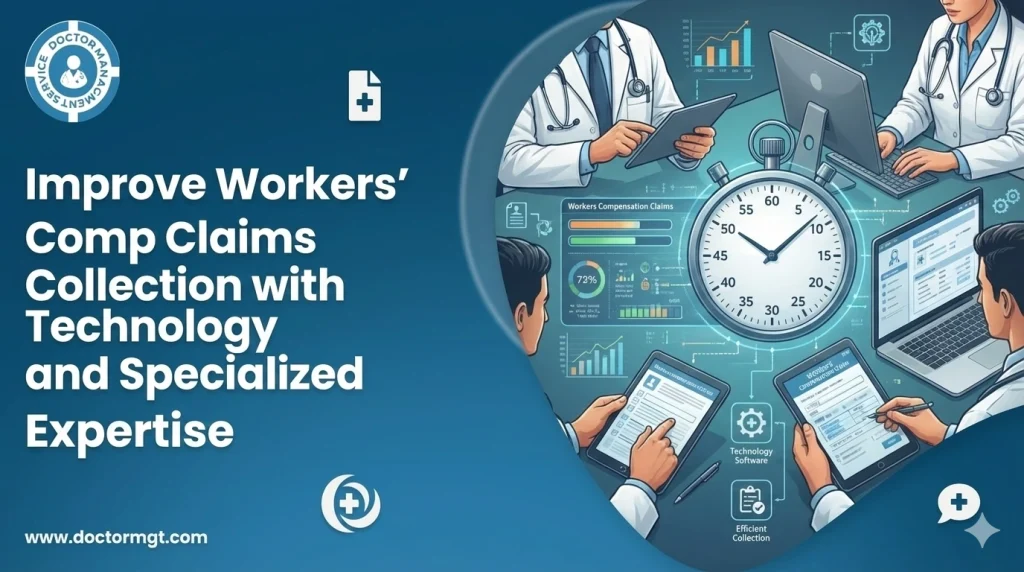
Workers’ Compensation billing can feel like running uphill slow, technical, and full of small hurdles that somehow turn into big ones. Most healthcare providers know the struggle: the paperwork, the constant follow-ups, and the waiting. Always the waiting. Payments that should take weeks can stretch into months because one form wasn’t signed or one field wasn’t filled.
The truth is, handling these claims takes more than diligence. It takes a smart mix of technology and real-world experience. Automation handles the volume, but it’s the Workers’ Compensation experts who know how to move things forward when systems can’t. Together, they create a billing process that not only functions it performs.
Understanding the Complexity of Workers’ Comp Collections
If regular medical billing feels complicated, Workers’ Comp adds a few more layers on top legal, procedural, and human. You’re not just dealing with patients and payers anymore. You’re coordinating with employers, case managers, and sometimes entire legal teams.
That’s where things start to slow down.
Common trouble points?
- Missing or incomplete records. Easy to overlook, harder to fix later.
- Long authorization timelines that freeze billing.
- Constantly changing state rules that demand ongoing awareness.
- Manual tracking systems that simply can’t keep up.
- Weak follow-up structures that leave money sitting uncollected.
Even the best internal teams lose time and focus when processes aren’t fully aligned.
How Technology Transforms Workers’ Comp Billing
Technology, when used right, doesn’t just make billing faster, it makes it smarter. Many providers still rely on manual steps, but automation can now handle much of the routine work without losing accuracy.
1. Automated Claim Tracking
Instead of shuffling papers or checking claim statuses by phone, automated systems show everything in one place. Real-time tracking, reminders for missing items, alerts when a payer takes too long, no more waiting for surprises.
2. Integrated EHR and Billing Platforms
When your EHR and billing tools talk to each other, things start to click. Every treatment note or diagnostic report gets attached automatically to the claim. That simple connection prevents the usual errors that hold payments hostage.
3. Pre-Submission Error Detection
AI tools now catch what used to slip through incorrect codes, missing details, and duplicate entries. They flag them before submission, not after rejection. It’s quiet, behind-the-scenes work that saves weeks of rework.
4. Secure Digital Communication
Workers’ Comp cases rarely involve just two parties. Between doctors, adjusters, and attorneys, messages and documents fly everywhere. Secure communication platforms make it simpler and faster to share what’s needed, no more scanning and resending the same report three times.
5. Analytics That Actually Mean Something
Numbers tell a story if you know what to look for. Analytics tools can reveal patterns which claim get delayed, which insurers respond fastest, and where errors keep showing up. That insight helps teams make better calls and stop recurring issues before they start.
The Value of Specialized Expertise
Technology can organize, calculate, and remind, but it can’t interpret. That’s where Workers’ Compensation experts come in. They understand the small details that separate a clean claim from one that will bounce back for “clarification.”
1. Keeping Up with Regulations
Workers’ Comp rules shift constantly, and each state plays by its own version of the handbook. Experts know which forms, codes, and timelines apply where, and how to stay compliant without losing days researching every change.
2. Documentation That Holds Up
Anyone can send a claim. What matters is whether it can stand up to review. Skilled professionals go line by line through documentation, checking that each report supports the medical necessity and ties back to the right authorization.
3. Smarter Denial Management
When a claim is denied, experts don’t panic. They investigate. Why was it denied? What’s missing? Who do we talk to? They handle appeals methodically, with patience and precision, qualities software simply doesn’t have.
4. Working Alongside Legal and Administrative Teams
In Workers’ Comp, the billing team often shares space with the legal side of things. Experts understand how liens, reports, and authorizations all connect. Their coordination keeps everything moving without unnecessary back-and-forth.
5. Balancing Automation and Human Insight
The best systems are neither fully digital nor fully manual; they’re a blend. Automation takes care of repetitive work, while professionals focus on analysis, communication, and strategy.
A claim might pass through an automated audit before submission, but it’s a trained expert who catches that subtle documentation issue that could cause trouble later. Machines are great at speed. People are better at nuance. And both matter.
Common Mistakes That Delay Workers’ Comp Payments
Even experienced teams trip up sometimes. These are the usual culprits behind delayed or lost payments:
- Submitting incomplete claims, one missing form, one unchecked field.
- Ignoring insurer follow-ups, small delays turn into long ones.
- Outdated templates or code rules change, sometimes quietly.
- Skipping appeals, many denied claims are recoverable if handled right.
- Poor internal tracking when multiple people manage claims separately, things fall through the cracks.
Small details pile up. And in this industry, small details are expensive.
Practical Steps to Strengthen Your Workers’ Comp Collections
You don’t need to rebuild your billing system overnight. Small, steady improvements work best. Try these steps first:
- Centralize all documentation. Keep records and communication together.
- Automate smartly. Use technology for tracking and alerts, not for judgment calls.
- Keep your team trained. Laws shift fast; make sure your people stay current.
- Bring in specialists. Partner with Workers’ Compensation experts for complex or contested cases.
- Track key metrics. Measure what matters: denial rates, days in A/R, and claim turnaround times.
Progress is easier when you know exactly where you’re losing time.
The Future of Workers’ Comp Billing
The next few years will likely bring even more digital transformation. Predictive analytics will help identify risky claims early. Blockchain could secure medical-legal exchanges. AI will continue learning from patterns, but it won’t replace people.
At the end of the day, Workers’ Comp billing is about communication and accuracy. Those depend on people who understand the system, not just the software running it.
Providers that invest in both tech and talent will stay far ahead of the curve.
Final Thoughts
Getting paid for Workers’ Compensation cases shouldn’t be this hard, but it often is. The process has too many moving parts, too many people, and too many chances for things to stall. Yet, when the right tools and the right minds come together, the difference is noticeable.
Automation handles the busywork. Workers’ Compensation experts handle the complexity. The result is faster payments, cleaner claims, and fewer headaches for the entire team.
And with Doctor Management supporting your Workers’ Comp collections, you can finally shift your focus back to what matters most, patient care and a steady, reliable revenue cycle.