


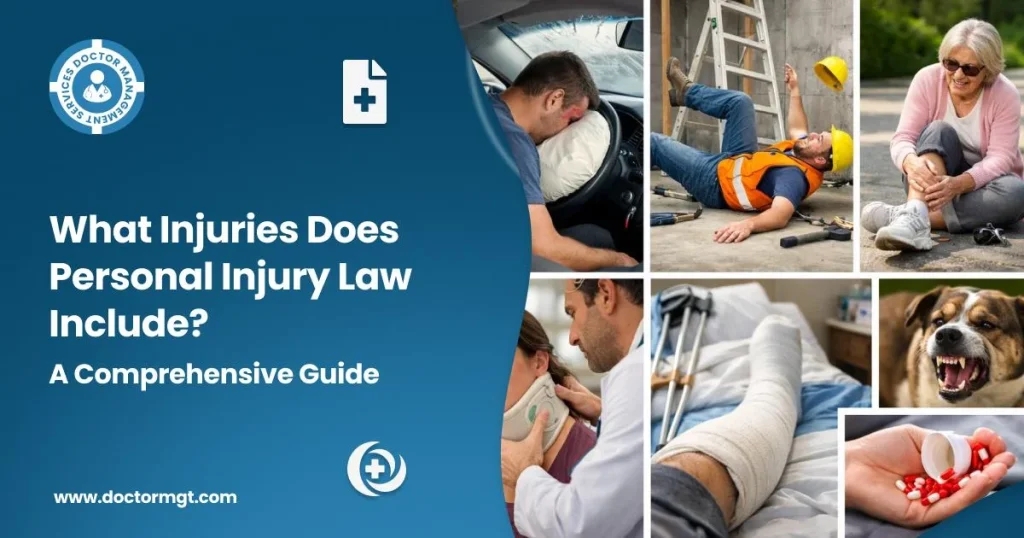
Every year, millions of people suffer injuries caused by negligence or intentional acts.
According to the National Safety Council, over 62 million injuries occur annually in the United States that require medical attention, many of which can lead to legal claims.
Personal injury law is designed to help victims recover compensation for medical expenses, lost wages, and other damages.
Personal injury law exists to assist victims in regaining compensation in the form of medical bills, wages, and other damages. Although car accidents are the most well-known, personal injury cases include a broad list of injuries. The awareness of what injuries are covered is critical to patients, health care providers, and lawyers’ personal injury professionals who are going through the legal process.
Let’s go through this guide together to have a better understanding of what some of the actual injuries that personal injury law includes.
1. Motor Vehicle Accident Injuries
Claims can be submitted by drivers, passengers, cyclists, and pedestrians in case the accident was caused by the negligence of another person.
Common injuries:
- Whiplash
- Traumatic brain injuries (TBI)
- Spinal cord injuries
- Fractures and broken bones
- Internal injuries
Such cases generally involve accident reports, medical records, and legal representation. The insurance negotiations surrounding personal injury claim collections usually focus on compensation for lost income and medical expenses.
2. Workplace Injuries
Work-related injuries caused by negligence of their employer, ineffective working conditions or by a third party.
Common injuries:
- Back and neck injuries from lifting or repetitive stress
- Slip and fall accidents
- Equipment or machinery accidents
- Burns or chemical exposure
Most injuries at the workplace are categorized under workers’ compensation; however, in cases of serious negligence or third-party interference, one may file personal injuries claims. The injury, the incident reports, and the medical records should be properly documented.
3. Slip and Fall Accidents
It is the obligation of property owners to ensure that the premises are safe. Failure to do so may result in accidents.
Common injuries:
- Fractures or broken bones
- Head trauma
- Sprains or ligament tears
- Soft tissue injuries
The victims have to demonstrate the carelessness by the owner of the property, including neglecting to repair dangerous conditions or ignorance of unsafe areas. A personal injury legal case is strengthened by medical evidence and photographs of the unsafe conditions.
4. Medical Malpractice and Healthcare Errors
Healthcare providers owe a duty of care. An error resulting in injury can result in claims. Common injuries.
Common injuries:
- Surgical errors
- Misdiagnosis or delayed diagnosis
- Medication mistakes
- Birth injuries
- Complications due to mismanagement.
The cases of medical malpractice are complicated and involve expert witnesses. Unpaid medical billing and settlements depend on the accuracy of medical billing and documentation.
5. Product Liability Injuries
Defective or unsafe products that cause injury can result in legal claims.
Common injuries:
- Injuries from defective medical devices
- Car accidents caused by faulty auto parts
- Household appliance accidents
- Contaminated food or pharmaceuticals
The injured party should demonstrate that the product was flawed and damaged. Claims often involve several parties such as manufacturers, retailers, and distributors.
6. Dog Bites and Animal Attacks
The owners of animals have a duty to control their pets. Injuries caused by negligence are actionable.
Common injuries:
- Puncture wounds
- Nerve damage
- Scarring
- Emotional trauma
The victims need to visit the doctor as soon as possible and report the case. Medical costs and pain, and suffering can be pursued with the assistance of a lawyer personal injuries professionals.
7. Assault and Intentional Harm
The law of personal injury is applicable to injuries caused as a result of willful (intentional) acts such as battery or assault.
Common injuries:
- Bruises and contusions
- Broken bones
- Head injuries
- Psychological trauma
These cases may also involve criminal proceedings. Some of the compensation claims that can be made include medical expenses, therapy, and damages of emotional distress.
8. Sports and Recreational Injuries
When the injury occurs as a result of negligence or unsafe conditions during organized sports or recreation activities, the victims can file claims.
Common injuries:
- Concussions and brain injuries
- Torn ligaments and sprains
- Fractures
- Overuse or repetitive strain injuries
The liability can be to the coaches, the owners of the facilities, or equipment producers, depending on the circumstances. Proper documentation and witness testimonies make the case stronger.
9. Burns and Chemical Injuries
Fire, explosions, or dangerous chemicals that cause injuries, as a result of negligence, are covered.
Common injuries:
- First to third-degree burns
- Respiratory damage
- Scarring and disfigurement
- Long-term rehabilitation needs
Emerging treatment and documentation are necessary. Medical records and photos are important to use in personal injury claims.
10. Psychological and Emotional Injuries
Severe emotional distress or PTSD caused by an accident may be compensable.
Common injuries:
- Post-traumatic stress disorder (PTSD)
- Anxiety and depression
- Sleep disorders
- Loss of quality of life
To support their assertions, the victims might require therapy records, psychiatric assessments, and the testimony of mental health experts.
11. Aviation and Boating Accidents
Plane crashes or any other injury caused by negligence by boats or watercrafts are covered by the personal injury law.
Common injuries:
- Traumatic injuries from collisions
- Drowning or near-drowning incidents
- Spinal injuries
- Head trauma
Such cases are usually characterized by complicated jurisdictions and insurance. An attorney is important to get compensation.
12. Wrongful Death
In case of negligence causing the death of a person, the survivors may claim financial and emotional compensation.
Compensation may include:
- Medical bills prior to death
- Funeral and burial costs
- Lost income of the deceased
- Pain and suffering of family members
A personal injury suit has the ability to assist families to get back on their feet through financial compensation and justice following tragic events.
The Financial Impact of Personal Injury Cases
Personal injury is not just a legal issue, but it is a financial problem for both the patients and the medical facility. Accidents may cost a lot of money in medical treatments provided after a particular accident, especially when the recovery requires months or years.
Common medical expenses in these cases include:
- Emergency room visits
- Diagnostic imaging (X-rays, MRI, CT scans)
- Surgical procedures
- Physical therapy
- Long-term rehabilitation
Delays in payment and billing can occur when insurance claims are contested or when settlements are prolonged, and healthcare providers take a long time to receive payments.
Why Effective Claim and Billing Management Matters
The complexity of the funding portion of injury cases may involve the coordination of medical practices, insurance companies, and legal teams. The presence of systemized systems facilitates the elimination of delays in payment and ensures that all documentation is tidy. A large number of healthcare institutions use professional assistance to manage the multifaceted financial processes related to the care of accidents.
Personal injury claim collections, handling the complex unpaid medical billing, or partnering with a trusted Doctor management services are some solutions to keep medical providers on the right track in keeping the records and collecting the payments as cases proceed through the legal system. Through these services, the healthcare providers are well paid the services they provide, and the attorneys and patients of personal injury claims are assisted.
Final Thoughts
Understanding what injuries fall under personal injury law is important not only for accident victims but also for healthcare providers and legal professionals involved in treatment and compensation processes.
The range of personal injuries, whether in vehicle accidents, injuries in the workplace, medical negligence, or faulty products, is wide and in a state of constant change.
As millions of cases of injuries are reported yearly, appropriate legal advice, proper medical records, and proper billing measures are very important in bringing about equitable results.
The interaction of medicine, law, and financial management is imperative to resolving the complications of contemporary injury cases, regardless of whether one is filing a personal injury claim or a healthcare provider is treating the victims of the accident.